
external-link
Skip to content
  • Français
    • Getting startedLearn about the stock market, investment types, and how to get started.
    • Understanding riskLearn about the risk-return relationship, risk tolerance, and why it matters.
    • Building your investing strategyYour investing strategy is personal. Learn about asset mix, active versus passive investing, and more.
    • Psychology of InvestingMake better financial decisions by learning about behavioural insights.
    • Working with an advisorA financial advisor can help you choose investments and manage your portfolio.
    • Tracking your progressLearn how to track your investing progress and see how you're doing.
    • Rules and regulationsRegulators protect investors in Canada by setting and enforcing securities rules.
    • Community outreachOSC in the Community takes the OSC's mandate from Bay Street to Main Street.
    • AnnuitiesAnnuities are an investment that can generate a steady income in retirement.
    • BondsBonds are an investment that generate interest after a fixed period of time.
    • Crypto assetsCrypto assets are digital investments with different opportunities and risks.
    • ESG investingESG investing allows you to choose investments that align with your priorities.
    • ETFs (exchange-traded funds)These funds hold a collection of investments and are traded on a stock exchange.
    • GICs (Guaranteed investment certificates)GICs guarantee a specific rate of return over a short period of time.
    • Mutual funds & segregated fundsMutual funds pool multiple investments into a fund owned by many investors.
    • Pension & savings plansDifferent kinds of workplace pension plans provide retirement income.
    • Real estateBuying a home is a way to invest your money and diversify your portfolio.
    • StocksStocks give you equity in a company, and are traded on a stock exchange.
    • More complex investmentsComplex investments have potential for high reward, but also higher risk.
    • RDSPPeople with disabilities can save with a Registered Disability Savings Plan.
    • RESPSave for your child's education with a Registered Education Savings Plan.
    • RRIFYou open a Registered Retirement Income Fund with funds from your RRSP.
    • RRSPA Registered Retirement Savings Plan grows your savings tax free until you retire.
    • TFSAA Tax-Free Savings Account helps you save for any goal, tax free.
    • Bank accountsChequing and savings accounts can help you manage your short-term needs.
    • BudgetingA budget can help you manage your spending, saving, and plan for the unexpected.
    • Life EventsLearn about how your financial needs may change at different stages of life.
    • Making a planHaving a plan can make it easier to make the right investing decisions for you.
    • Managing debtDebt shouldn't get in the way of your saving and investing. Learn how to manage it.
    • Personal insurancePersonal insurance coverage can help protect you and your loved ones.
    • RetirementPlanning for retirement helps you determine how much to save and where.
    • Running a small businessImprove your financial knowledge for your business and your personal life.
    • Saving moneyKeep your financial goals on track by saving some money each month.
    • Understanding taxLearn more about how tax filing and tax deductions work.
    • Wills and estate planningPreparing a will and estate plan ensure your final wishes are taken care of.
    • Types of fraudLearn to spot and avoid frauds and scams.
    • Making a complaintKnow your options for making a complaint.
    • Reporting fraudIf you suspect you've been a victim of fraud, report it immediately.
    • Checking registrationAlways check the registration of anyone trying to give advice or sell investments.
    • Investor warnings and alerts
    • CalculatorsPractice calculating compound interest, savings, debt consolidation, and more.
    • Quizzes and toolsCheck your knowledge of scams, behavioural biases, and other financial tools.
    • WorksheetsTry our downloadable tools to help you plan and budget.
    • VideosOur videos show you the basics of investment types, frauds to watch for, and more.
    • Investing chartsSee the impact of market ups, downs, and more based on historic data.
    • Research & reportsDive into groundbreaking research to better understand retail investor behaviours, attitudes and experiences.
    • Investing introductionIf you’re new to Canada or investing visit our multilingual site for more information in 23 languages.
    • Investor NewsStay informed about the latest investor initiatives, educational resources, and warnings/alerts.
    • Investing questionsFind unbiased answers to your investing questions from a trusted source.
    • Investing fundamentalsExplore the eight fundamentals that can help you make smarter investing decisions.
    • Investment reportingWalk through the steps to see how your investments are doing.
  • Investing Academy

GetSmarterAboutMoney.ca

Français
When autocomplete results are available use up and down arrows to review and enter to go to the desired page. Touch device users, explore by touch or with swipe gestures.

Home / Types of investments / Stocks / How trading apps may nudge your behaviour

How trading apps may nudge your behaviour

6 min read

Share

  • Share to Twitter
  • Share to Facebook
  • Share to LinkedIn
  • Share to Reddit
  • Share via Email

Online investing has made it easier than ever to buy and sell stocks, ETFs, and commodities, all from your phone or computer. These platforms offer convenience and personal control for the investor. But their design can quietly shape your decisions in ways you might not notice, through a variety of digital engagement practices.

On this page you’ll find

  • What are digital engagement practices?
  • How can digital engagement practices influence your behaviour?
  • Can digital engagement practices be helpful?
  • How do you stay in control when facing digital engagement practices?
  • Summary

What are digital engagement practices?

Digital engagement practices (DEPs) are design features or techniques that encourage you to interact with an app or website more frequently or in a certain way. A recent review by the Ontario Securities CommissionOntario Securities Commission An independent Crown corporation that is responsible for regulating the capital markets in Ontario. Its…+ read full definition found many online retail platforms use these practices. DEPs can be helpful in some cases, but they also often nudge you toward behaviours that can be detrimental to your financial goals.

Common examples include:

  • Push notifications that prompt or encourage you to take specific actions. 
  • Badges or rewards tied to increased trading activity.
  • Contests with gambling elements.
  • The use of hidden information and complex language that obscures important information.
  • Games and game-like elements designed to keep you on the app for longer or encourage more frequent trading.
  • Top traded lists to draw attention to specific assets.

While some of these features can make your experience on the app more interactive, they can also influence your decision-making.
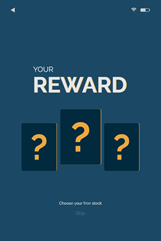
Example of rewards, where users are awarded points for completing various in-app actions, such as referring to a friend or making a tradeTrade The process where one person or party buys an investment from another.+ read full definition.

How can digital engagement practices influence your behaviour?

Digital engagement practices can affect how you think, feel, and act when engaging with online investing platforms. For example, the OSCOSC See Ontario Securities Commission.+ read full definition found that rewarding trades with points led investors to trade more often, and highlighting particular assets can lead to increased trading of those assets. Research has shown that trading more generally leads to poorer returns in the long run. Certain uses of DEPs are concerning, as they can expose investors to additional risks and fees that they might otherwise avoid.

There are a few reasons why DEPs can be concerning:

  • You may trade more often than planned: Notifications, “trending” alerts, in-app prizes/incentives, and leaderboards can lead you to act quickly and impulsively — sometimes before thinking through your decision. The more you trade, the more likely you are to make suboptimal decisions and pay extra in fees. There is robust evidence that links increased trading volume with lower returns over time. This is due to both the timing of retail investor trades relative to other traders (e.g., institutional), as well as transactionTransaction The process where one person or party buys goods or services from another for money.…+ read full definition costs (e.g., commissionsCommissions What you pay to a broker or agent for their services. Often called a “sales…+ read full definition, trading fees). Retail investors often trade at suboptimal times — they often buy stocks after prices have already gone up (chasing trends) and sell after prices have fallen (panic selling). In other words, they tend to “buy high and sell low,” which usually leads to worse returns than just holding or investing passively.
  • You may take on more risk: Some practices highlight higher-risk or complex products in a way that makes them appear more appealing or less risky. Always take time to understand what you are investing in and that it fits with your risk tolerance and risk capacity.
  • You may react impulsively: When a platform makes trading as easy as a single swipe, you might act without pausing to consider whether the trade aligns with your long-term investment plan.
  • There may be hidden incentives: Some firms benefitBenefit Money, goods, or services that you get from your workplace or from a government program…+ read full definition when clients trade more frequently or buy certain products. Be mindful that what appears as a friendly nudge could also serve the platform’s business, and may not be in your best interest.
  • It can distract you from your long-termTerm The period of time that a contract covers. Also, the period of time that an…+ read full definition goals: Constant alerts and updates can shift your focus to short-term trading, and from many activities — including focusing on steady, long-term investing and other healthy financial activities such as budgeting.

Read more about OSC research including: Gaming the system: Are you being influenced when trading online?. Shedding light on dark patterns and Digital Engagement Practices in Retail Investing: Gamification and Other Behavioural Techniques.

Can digital engagement practices be helpful?

Not all digital engagement is bad. Some platforms also use DEPs in positive ways — to educate, inform, or help you stay on track with your goals.

Helpful practices may include:

  • Goal tracking tools that encourage regular saving and long-term planning.
  • Security alerts that encourage you to take steps to protect your accountAccount An agreement you make with a financial institution to handle your money. You can set…+ read full definition.
  • Educational tools that elevate your investmentInvestment An item of value you buy to get income or to grow in value.+ read full definition knowledge.

When used responsibly and thoughtfully, these features can improve financial literacy, support good investing habits, and promote account security.

How do you stay in control when facing digital engagement practices?

Your investing decisions should always serve your financial goals, not the platform’s engagement metrics. There are practical steps you can follow to keep your investing decisions aligned with your long-term goals when encountering behavioural nudges. It’s a good idea to:

1. Start with a clear plan

    Define your goals, time horizon, and risk tolerance before using any platform. Having a plan helps you stay grounded, even when digital “nudges” tempt you to stray from your objectives.

    2. Control your notification settings

    You can customize your notification settings in the app to choose what you receive and how often. This way, you only see the notifications that matter to you — putting you in control of how you engage with the app.

    3. Pause before reacting

    If you receive a notification urging you to act, stop and ask: Is this aligned with my goals or is the app encouraging me to trade? Don’t let your emotions sway you into making impulsive decisions. Consider whether you can turn off notifications that nudge you to trade or change your notification settings to allow any specific information you wish to be notified on. Just as you might take a cooling‑off period before buying something online, consider delaying any action to give yourself time to reflect.

    4. Watch for behavioural patterns

    Are you trading more often since using the app? Are you checking your portfolioPortfolio All the different investments that an individual or organization holds. May include stocks, bonds and…+ read full definition daily? Awareness helps you identify when engagement features are steering your behaviour.

    5. Review fees and costs

    Frequent trading can add up in commissions, spreads, or unintended taxTax A fee the government charges on income, property, and sales. The money goes to finance…+ read full definition implications. Even “commission-free” trades may have indirect costs. Make sure you understand what fees and costs your platform charges — and pay attention to them, because these costs can reduce your net returns, especially over the long term.

    6. Protect your data

    Check how your platform uses behavioural data — information about your activity such as pages visited, clicks, or cookies — and if you can manage how that data is used. Some collect information on your activity to tailor offers or promote specific products.

    7. Focus on the long term

    Remember, investing success isn’t about frequent trading activity — it is about time in the market, not timing the market.

    Firms are required to act fairly, honestly, and in good faith with their clients, and to address material conflicts of interest in the client’s best interest. If you ever have concerns about how a firm engages with you, reach out to the firm. Find out more about how to make a complaint.

    GetSmarterAboutTrading.ca exposes you to gamification techniques that can influence your investing behaviour — often in ways that are not in your best interest. It gives you a chance to participate in a simulated stock marketStock market The collection of markets and exchanges where stocks, bonds and other securities are issued or…+ read full definition and practice online trading — without risking real money.

    Summary

    Digital engagement practices are part of nearly every online investing experience today. They can make platforms easier and more enjoyable to use — but they can also influence your decisions in subtle ways. By staying aware of how these features work, and by grounding your actions in a solid investment plan, you can reduce the influence of digital engagement practices on your decisions.

    Last updated December 3, 2025

    Stocks

    Articles in this section

    Articles read
    How to buy and sell stocks 6 min read
    How stocks and dividends work 10 min read
    Factors that can affect stock prices 9 min read
    What is a trade confirmation slip? 5 min read
    How to evaluate companies when buying stock 8 min read
    How trading apps may nudge your behaviour 6 min read
    More complex ways to invest in stocks 9 min read
    How to monitor stock performance 6 min read
    Fractional share ownership 4 min read
    4 ways to borrow to invest 3 min read
    Financial statement basics 3 min read
    Market-wide circuit breakers 2 min read
    10 reasons to read the notes to financial statements 5 min read
    Understanding non-GAAP financial measures 5 min read

    Feedback Survey

    Not likely
    Would you recommend this content?(Required)
    Not likely Extremely likely
    This field is for validation purposes and should be left unchanged.

    Post navigation

    Back To:
    Previous: How to evaluate companies when buying stock
    8 min read
    Up Next:
    Next: More complex ways to invest in stocks
    9 min read

    Sign up for Investor News

    Join 18,000+ subscribers and stay informed with timely articles, the latest investor warnings and financial literacy resources like videos, calculators and quizzes.

    Past issues
    • November 25, 2025
    • November 4, 2025
    • October 21, 2025
    GetSmarterAboutMoney.ca

    Connect with us

    Facebook Twitter YouTube Instagram
    • About Us
    • Contact Us
    • Investor News
    • Media
    • Glossary
    • OSC in the community
    • OSC Website
    • Terms of use
    • Privacy Policy
    • Accessibility policy

    Brought to you by the OSC Investor Office

    This website is provided for informational purposes only and is not a source of official OSC policy or a substitute for legal or financial advice. We recommend that you consult with a qualified professional advisor before acting on any information appearing on this website. For details, please see our full Terms of Use and Privacy policy

    © Ontario Securities Commission 2025

    Go back to top Reference Only